Marble & Tile USA - April 3rd, 2026
Marble vs. Porcelain: Which Material Is Right for Your Home?

Choosing between marble and porcelain comes down to more than just appearance. While both materials can achieve a refined, high-end look, they differ significantly in performance, maintenance, and overall feel. Understanding how each material behaves will help you make a more confident, informed decision.
What Is Marble?
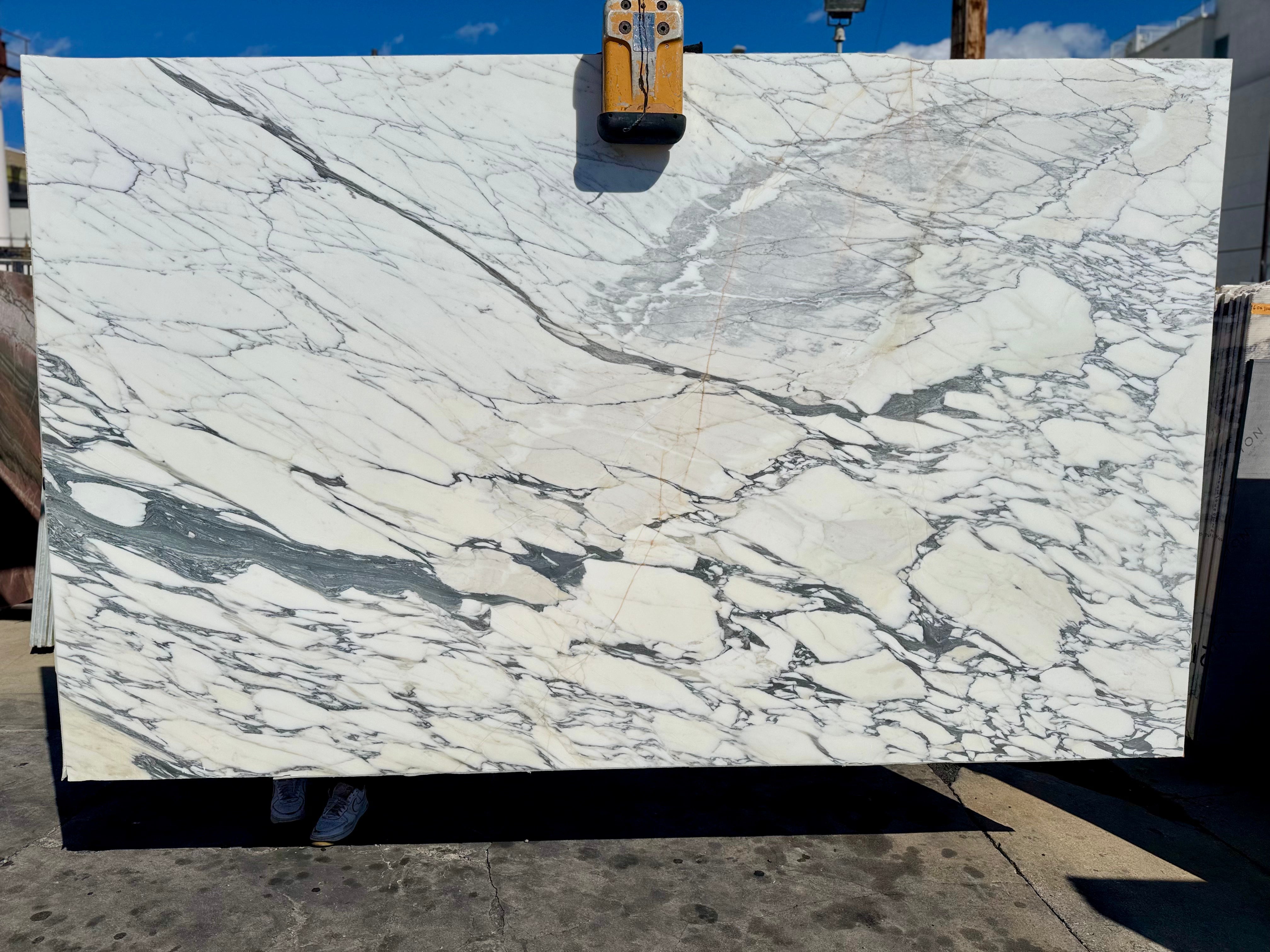
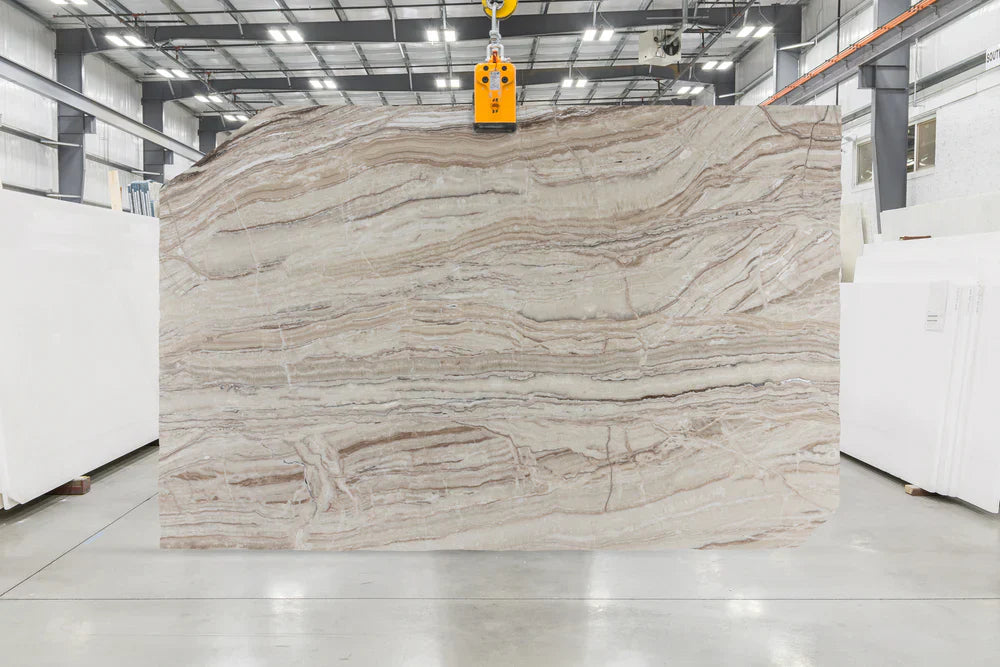
Marble is a natural stone formed over millions of years from limestone under heat and pressure. Each slab is entirely unique, with organic veining, tonal variation, and depth that bring a sense of movement and authenticity to a space.
Often associated with luxury, marble is a classic choice for countertops, bathrooms, feature walls, and statement applications.
Key characteristics of marble:
- One-of-a-kind natural veining
- Soft, elegant aesthetic
- Available in polished, honed and other finishes
- Elevates spaces with a classic, high-end feel
What Is Porcelain?
Porcelain tile is a man-made material crafted from refined clay and fired at extremely high temperatures. Advanced manufacturing allows it to replicate the look of natural stone—including marble—while offering enhanced durability and consistency.
Its versatility makes it a popular choice for floors, walls, bathrooms, kitchens, and even outdoor spaces.
Key characteristics of porcelain:
- Extremely durable and dense
- Water-resistant and low maintenance
- Consistent patterns and color control
- Available in marble-look and large-format designs
Key Differences Between Marble & Porcelain
1. Appearance
Marble offers natural variation that cannot be duplicated, giving each slab its own character and depth. Porcelain can closely mimic marble but typically features more uniform and repeatable patterns, especially across larger installations.
2. Durability
Porcelain is highly resistant to scratches, stains, and moisture, making it ideal for high-traffic areas. Marble is softer and more porous, which means it requires more care to prevent etching and wear over time.
3. Maintenance
Marble requires regular sealing and more attentive upkeep to maintain its appearance. Porcelain is easy to maintain, does not require sealing, and performs well in everyday environments.
4. Cost
Marble is generally more expensive due to its natural origin and uniqueness. Porcelain offers a more cost-effective option, especially for larger spaces.
Which One Is Right for You?
The decision ultimately depends on your priorities.
Marble is ideal for those who value natural beauty, individuality, and a timeless aesthetic.
Porcelain is better suited for those looking for durability (especially for high-traffic areas), low maintenance, and versatility without sacrificing style.